Budget Sleep Trackers: Rings, Bands and Bedside Sensors Compared
Rings, bands and bedside sensors compared for budget sleep tracking: what they measure, what they miss, and three picks worth a look.
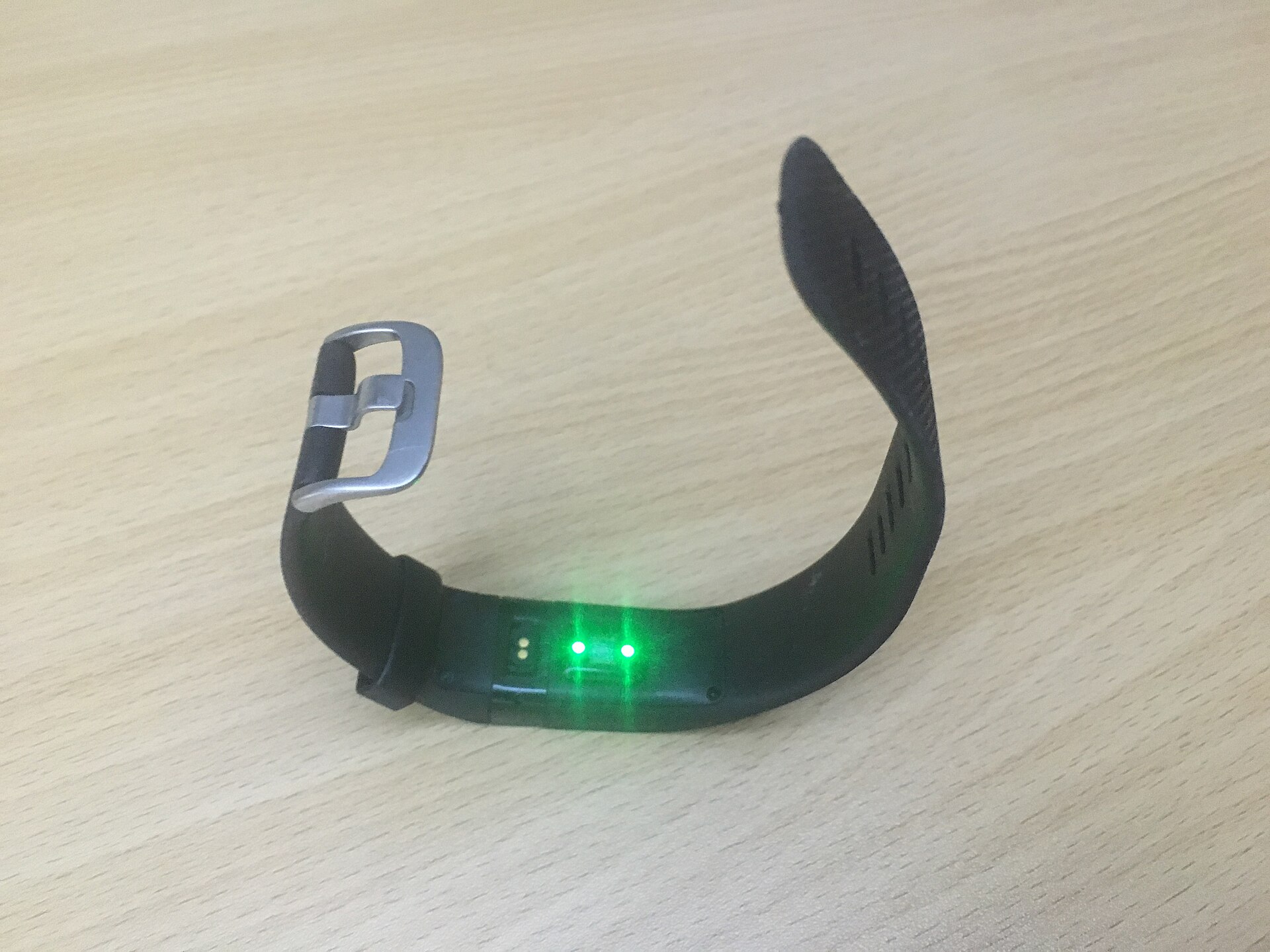
Photo: Alexei Zverev · CC BY-SA 4.0 · source
It’s 11:40 p.m. and the nightstand has gone minimal: glass of water, phone face-down, and the amber nightlight that keeps midnight bathroom trips from feeling like a wake-up event. Your sleep tracker sits on its charging puck — deliberately charging now, before bed, so the battery question never interrupts the one measurement you’re trying to take.
You started tracking sleep the way everyone does: to fix it. The first week you checked the score before your feet hit the floor, and the second week you started negotiating with it. Somewhere in the first month comes the useful realization — the score mostly reflects the day you had. Caffeine at 4 p.m., a late workout, wine at dinner: it all shows up that night.
Budget sleep tech splits three ways — ring, band, bedside sensor — and each form trades something: money, charging hassle, or accuracy. Here’s how to pick your trade without overpaying for it.
What actually matters before you buy
- Know what any of these can actually measure. Consumer trackers estimate sleep stages from movement plus heart rate — rings add finger-level signals like skin temperature — but no consumer device performs a clinical sleep study. The value is in multi-week trends: bedtime consistency, resting heart rate drift, how alcohol shows up. One night’s stage breakdown is a story, not a diagnosis.
- Choose the form factor you’ll actually live with. Rings read the cleanest signal from the finger and you forget they’re on, but they cost the most and charge every few days. Bands are cheap and comfortable, at the cost of some wrist-movement noise. Under-mattress pads charge nothing and demand nothing to wear, but they assume you sleep alone and roughly in place.
- Do the subscription math before the price-tag math. Several ecosystems gate their best insights behind monthly plans — rings especially. A cheap-feeling device with a required subscription can cost more over two years than the expensive one-time purchase, so compare total cost, not sticker.
- Check nap and alarm behavior if you’ll use them. Automatic nap detection ranges from reliable to imaginary depending on the ecosystem, and a silent vibrating alarm is genuinely useful when your partner’s schedule differs from yours. Neither is guaranteed by the words “sleep tracking” on the box.
- Look for data export early. If sleep is a health conversation rather than a hobby, your doctor needs a CSV or PDF report, not screenshots. This matters more as the price drops, because the cheapest apps are often the least likely to let data leave.
- Weigh the charging routine honestly. Rings run roughly four to seven days per charge based on published specifications; bands often stretch past a week; bedside sensors never charge at all. Pick the routine you won’t resent at midnight, because resentment ends tracking faster than battery degradation does.
How to get more out of what you already own
Consistency beats hardware, and the tracker’s real job is to verify it. A fixed wake time — even on weekends — does more for sleep quality than any sensor upgrade. Cool room, dark room, caffeine cut off at noon: the boring basics, finally visible in your data as better trends instead of anecdotes.
Then resist the score. Chasing a perfect night creates bedtime anxiety, which ruins sleep — sleep specialists even have a name for it, orthosomnia. Use the seven-day average and ignore single nights; a bad score after a late dinner isn’t failure, it’s confirmation the system works.
Practical setup closes the loop. Place an under-mattress sensor at chest height with the labeled side up, and recalibrate after rotating the mattress — thick memory foam can muffle the signal. Charge rings and bands right after dinner rather than in bed, so the data never gaps. Tag the context many apps allow — late coffee, alcohol, travel — and after a month the correlations do the persuading for you. The daytime half of recovery shows up in resting heart rate, which any band tracks; see our under-$100 fitness tracker guide for that side, and more wearable coverage lives in /category/wearables/.
The picks, briefly
The picks below cover two of the three forms — a mature band, an Android-friendly band, and the under-mattress pad for people who won’t wear anything to bed — with rings discussed in the text as the premium exception.
Fitbit Inspire 3
The easiest band-based entry: sleep staging, a readable score, and a mature app.
Best for: People who want sleep plus daytime activity in one band.
- Automatic sleep staging with a seven-day trend view
- Slim and light enough that most people stop noticing it overnight
- Charging every several days interrupts the data — pick your mornings
- The deeper insights sit behind the Premium subscription
Samsung Galaxy Fit3
The Android-budget band with a big screen and no subscription games.
Best for: Android owners who want sleep tracking without another monthly fee.
- Rated for up to 13 days of battery, per Samsung's published specifications
- Large AMOLED screen and core sleep data with no subscription required
- Pairs with Android only — iPhone users are out
- Sleep staging is coarser than dedicated sleep apps'
Withings Sleep
The zero-charging option: a sensor pad that lives under your mattress.
Best for: Anyone who won't wear anything to bed.
- Nothing to wear and nothing to charge — it works once it's under the mattress
- Tracks sleep cycles and heart rate, syncing with Apple Health or Google Fit
- Single-user only, and accuracy depends on sleeping roughly in place
- Mattress type matters — thick foam can muffle the signal
FAQ
Are budget sleep trackers accurate?
They're good at total sleep time and week-over-week trends; sleep stages are estimates with real error margins compared to a lab study. Use the patterns to guide habits, not any single night's breakdown.
Is a smart ring worth it over a band?
Rings often read heart rate more cleanly and you forget you're wearing them, but they cost several times more and charge every few days. Start with a band unless the ring's comfort is the only way you'll actually wear one nightly.
Can a tracker cure my insomnia?
No — and over-focusing on scores can make sleep worse; sleep specialists call it orthosomnia. Trackers help you build consistent habits, but persistent insomnia deserves a doctor, not a gadget.