Best Fitness Trackers Under $100 (2026)
Fitness trackers under $100 compared on accuracy, battery, apps and comfort — plus three picks and how to get more out of any band.
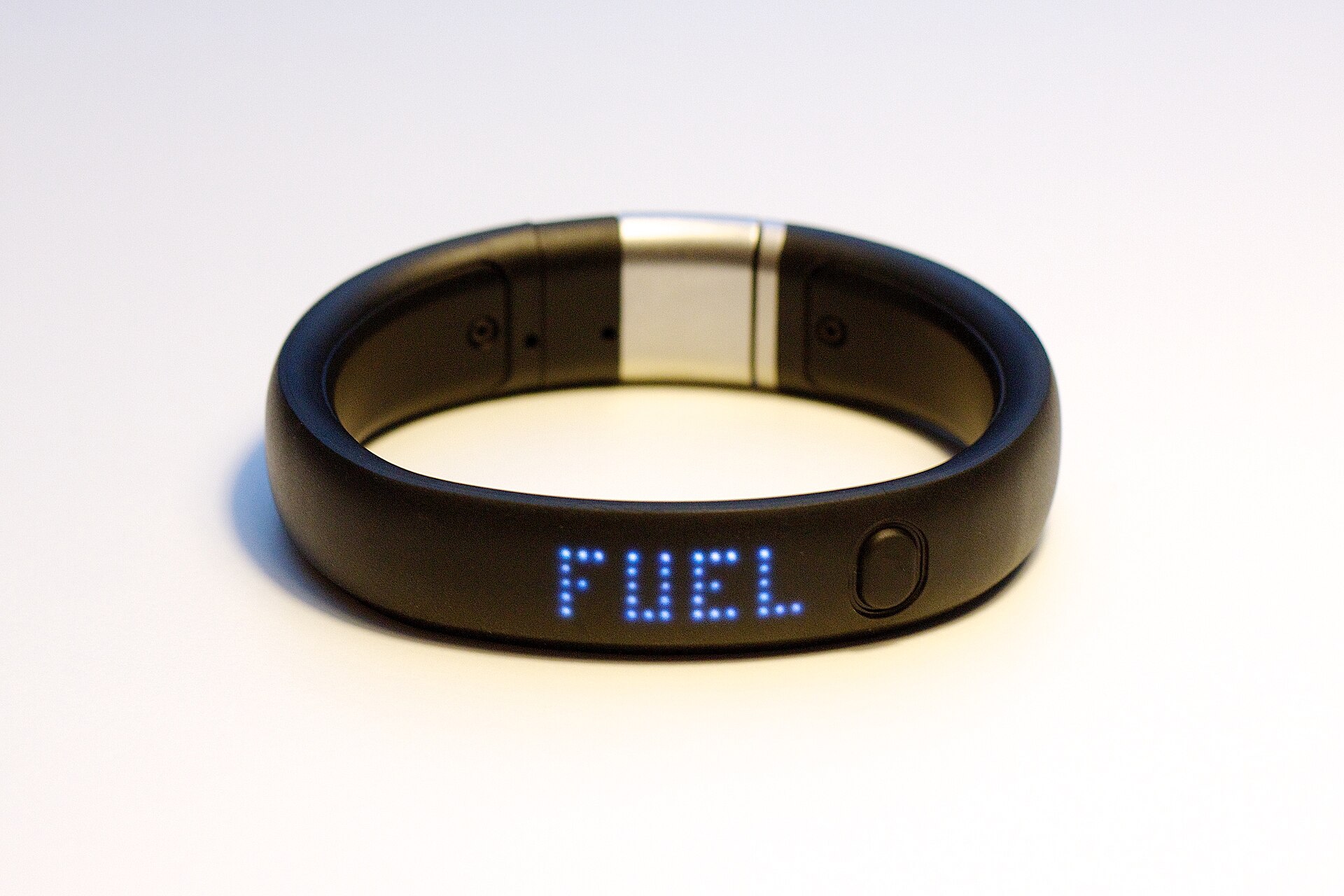
Photo: Peter Parkes · CC BY 2.0 · source
It’s 6:10 on a Thursday morning, frost still on the grass, and the park loop is yours except for one dog walker who behaves like he owns it. Your band buzzed before you laced up — resting heart rate, last night’s sleep summary — and at the halfway marker you glance at your wrist for pace instead of pulling out your phone.
A month of morning runs teaches you what a tracker under $100 is actually for: trends. It’s good at the shape of your weeks — resting heart rate drifting down, sleep debt stacking up, the streak that gets you out the door. It is not a lab on your wrist, and the sooner you stop asking it to be one, the happier you’ll be with it.
Knowing that ceiling before you buy prevents both disappointment and overspending — most of what gets paid for above this range is convenience and polish, not capability. Here’s what separates the useful from the gimmicky at this price.
What actually matters before you buy
- Treat wrist heart rate as a trend line, not a stopwatch. Optical sensors read beautifully across a whole day and acceptably on steady jogs, but they lag on intervals and sprints. If precise mid-run numbers matter, a chest strap remains the tool; the band is for the other 23 hours.
- Know the GPS trade before you buy. Under $100, most trackers use connected GPS — your phone does the satellite work while the band records. That’s fine for most runs, but phone-free running needs standalone GPS, which is rare at this price and worth paying for only when you’ll actually leave the phone behind.
- Read battery ratings with your habits attached. Published ratings assume modest use; switch on an always-on display and nightly sleep tracking and expect noticeably less in day-to-day terms. A rated ten-day band that needs charging twice a week in real use is normal, not defective.
- The app is the product. Your data lives there for years, so check what you can export, how the maker handles accounts, and which features sit behind a subscription. A tracker whose app gets abandoned is a bracelet, no matter how good the hardware was.
- Comfort is a 24/7 spec. You’ll wear this thing to bed, in the shower and through workdays. Weight, band material and how it handles sweat decide whether it survives month two, so a bulky bargain often costs more in annoyance than it saves in dollars.
- Match the water rating to the water. A 5ATM rating handles pools, showers and rain — rinse after chlorine. It does not handle diving or hot tubs, and nothing at this price turns a band into a real swim watch.
How to get more out of what you already own
Fit fixes most accuracy complaints. Wear the band snug, about a finger’s width above the wrist bone — a loose band reads skyward heart rates the moment you start running, and that’s the most common complaint there is. Keep it snug overnight too, and the sleep and resting-heart-rate data gets noticeably cleaner.
Then calibrate, and actually use the data. After a few connected-GPS runs over known distances, check whether the tracker agrees with reality; many apps let you calibrate stride length for better treadmill numbers. Set your max heart rate manually — the age formula is a starting point, and honest effort tunes it — then use those zones to keep easy days genuinely easy. That one habit makes a cheap band behave like coaching instead of a scorecard.
Logistics keep the streak alive. Charge during your morning shower and the battery question disappears forever. Rinse the sweat off, dry the charging contacts before docking it, and swap to a cheap third-party band when the original frays. For the other half of the day, most bands at this price stage sleep automatically — and what to do with that data is its own conversation, covered in our budget sleep tracker comparison. More wearable coverage lives in /category/wearables/.
The picks, briefly
The three below cover the realistic field: the ecosystem pick, the screen-first value play, and the price-floor option that keeps showing up on gift lists.
Fitbit Inspire 3
The ecosystem pick: the most mature app and sleep staging at this price.
Best for: People who care about trends and sleep scores more than sport modes.
- Rated for up to 10 days of battery, per Fitbit's published specifications
- Automatic sleep staging and a slim, readable screen
- Some features nudge you toward the Premium subscription
- No built-in GPS — runs rely on your phone's connected GPS
Amazfit Band 7
The spec sheet outlier: a big AMOLED screen and Alexa for band money.
Best for: Anyone who wants the most screen and battery for under $100.
- Vivid AMOLED display with an always-on option, based on published specifications
- Rated for up to 18 days of typical use
- The Zepp app is powerful but cluttered next to Fitbit's
- Connected GPS only, with no standalone positioning
Xiaomi Smart Band 9
The price-floor pick that still feels current.
Best for: First-time tracker buyers and gift lists.
- Bright AMOLED in a light, comfortable band for 24/7 wear
- Rated for up to 21 days of typical use, per Xiaomi's published specifications
- Feature set and app polish vary by region
- Sleep staging is less detailed than Fitbit's on paper
FAQ
Are fitness trackers under $100 accurate?
For steps, GPS-assisted distance and sleep trends — genuinely useful. For moment-to-moment heart rate during intervals, wrist sensors lag, and a chest strap remains the accurate tool. Treat the numbers as trends, not lab results.
Do I need built-in GPS?
Only if you run without your phone. Otherwise connected GPS uses your phone's mapping and saves money and battery. Most runners never miss standalone GPS at this price.
How long will a $100 tracker last?
Two to three years typically, with battery degradation and app changes ending more trackers than hardware failure. Check that the maker's app is actively updated before you buy.