Best Wireless Earbuds Under $50 That Don't Feel Cheap
How to pick wireless earbuds under $50 that don't feel cheap: fit, sweat resistance, battery math, and three budget picks worth shortlisting.
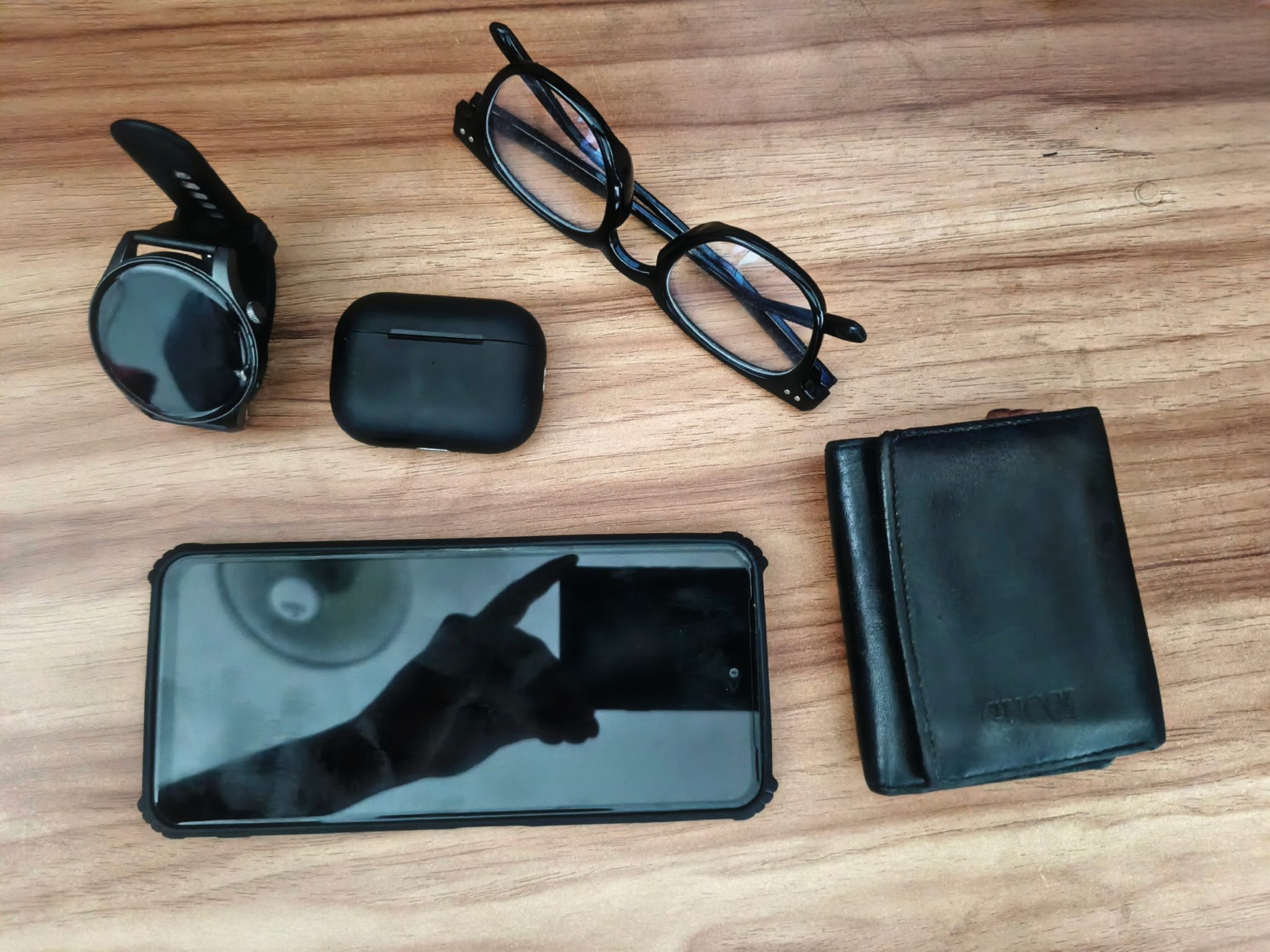
Photo: Nur Nobi · cc0 · source
It’s 5:50 on a Tuesday morning, the gym is empty except for you and the hum of the treadmills, and your earbuds case is sitting on the towel you draped over the bench. The buds go in before the first warm-up set, because the playlist is the only thing that makes 5 a.m. negotiable.
A month of that routine teaches you what the box never will: specs stop mattering right around the time sweat gets involved. What matters is whether the buds stay put during lat pulldowns, whether touch controls survive damp fingers, and whether the case has enough charge left on Friday to get you through the weekend.
Under $50, you are not buying perfection — you’re buying a specific set of trade-offs, and some of them are genuinely good deals. Here’s how to tell the trade-offs worth making from the ones that will annoy you by week two.
What actually matters before you buy
- Fit beats everything, including sound quality. A poor seal drops the bass out of any earbud, so try every included tip size before judging a pair. If your ears sit between sizes, budget ten dollars for third-party memory-foam tips — it’s the cheapest upgrade in audio. For lifting and running, wing or fin designs hold on when sweat arrives.
- Treat sweat resistance as mandatory, not a bonus. IPX4 is the floor for gym use; IPX5 and up shrugs off heavier sessions and a rinse under the tap. These ratings cover sweat and splashes — swimming needs a specifically rated set, which is a different conversation.
- Do the battery math the way you’ll actually live it. A “30 hours” claim almost always means total hours including case recharges, with maybe eight to ten per charge based on published specifications. If a set is rated for under six hours per charge, you’ll spend your week shuffling it in and out of a case.
- Check the app before the driver size. Driver diameter is marketing at this price; the companion app is not. EQ presets, firmware updates and control remapping are what separate a pair you’ll still like next year from one you retire in a month.
- Think about latency more than codecs. For music, standard Bluetooth codecs are fine. For video and calls, laggy cheap sets make lips move out of sync; most apps compensate, and a low-latency mode helps when it exists.
- Assume the microphone is average until proven otherwise. Noise-reduction claims for calls are wildly uneven at this price, so plan to repeat yourself on windy sidewalks and treat clear calls as a bonus rather than a feature.
How to get more out of what you already own
If you already own a budget pair, three habits stretch its life. Clean the charging contacts and nozzle mesh with a dry toothbrush once a month — a surprising share of “my left earbud died” reports are a dirty contact, not a dead battery. Run the case through a full charge cycle every month or so, and never leave it on a car dashboard or radiator; the tiny lithium cells inside age fast in heat. And when pairing gets flaky or the buds grab the wrong device, do the factory reset from the manual instead of fighting it — ninety seconds, and the connection behaves again.
Then use the app’s EQ. Nearly every budget set ships tuned bass-forward, and pulling that back a notch is what makes vocals resurface on the treadmill. If you’d rather spend a little more for silence than for sound, our guide to budget noise-cancelling headphones covers the over-ear side of the aisle, and the rest of our audio picks live in /category/audio/.
Two gym-specific habits are worth stealing. Keep a spare set of tips in a side pocket of your gym bag, because the stock silicone ones have a way of disappearing into locker-room corners, and a missing tip makes even good earbuds sound broken. And keep the case away from the sauna and steam room — the buds can shrug off sweat, but sustained heat and steam are harder on case electronics and speaker mesh. A cheap microfiber cloth in the same pocket handles the post-lifting cleanup.
The picks, briefly
The three sets below cover the realistic shortlist: a battery-first workhorse, a name-brand safe bet, and an ultra-budget sleeper that keeps overperforming its price.
Soundcore by Anker P20i
The battery-and-bass workhorse that forgives gym bag abuse.
Best for: Gym-goers who forget to charge things until the morning of.
- Rated for up to 10 hours per charge and 30 total with the case, per Soundcore's published specifications
- IPX5 water resistance handles heavy sweat and a rinse under the tap
- Bass-forward tuning buries some vocals until you tweak the app EQ
- No wireless charging or multipoint at this price
JBL Vibe Beam
The name-brand safe bet with a fun, bass-led sound.
Best for: People who want familiar tuning and simple, reliable controls.
- Rated for up to 8 hours per charge (24 with the case) per JBL's published specifications
- IP54 rating covers dust as well as sweat
- Touch controls can misread when your fingers are damp
- The case is slightly bulkier than some rivals'
TOZO T6
The ultra-budget sleeper that keeps overperforming its price.
Best for: Second-pair buyers, glovebox backups, and gift lists.
- IPX8-rated sealing, based on published specifications — overkill for sweat
- Compact case and aggressive pricing
- Call quality is average, especially in wind
- App and firmware polish trails Soundcore and JBL
FAQ
Are earbuds under $50 good enough for workouts?
Yes, as long as the set has an IPX4 rating or better and a fit that locks in. Pricier buds add better mics and multipoint, not necessarily better gym durability.
How long should cheap wireless earbuds last?
One to three years is realistic, with the case battery usually going first. Keeping the contacts clean and keeping the case out of heat extends that; treat any pair at this price as semi-disposable.
Do cheaper earbuds sound bad?
Not bad — bass-forward, which hides detail but suits gyms and street noise. Ten dollars of foam tips and five minutes in the EQ app close most of the remaining gap.